White Paper: A New Model for DER Aggregation
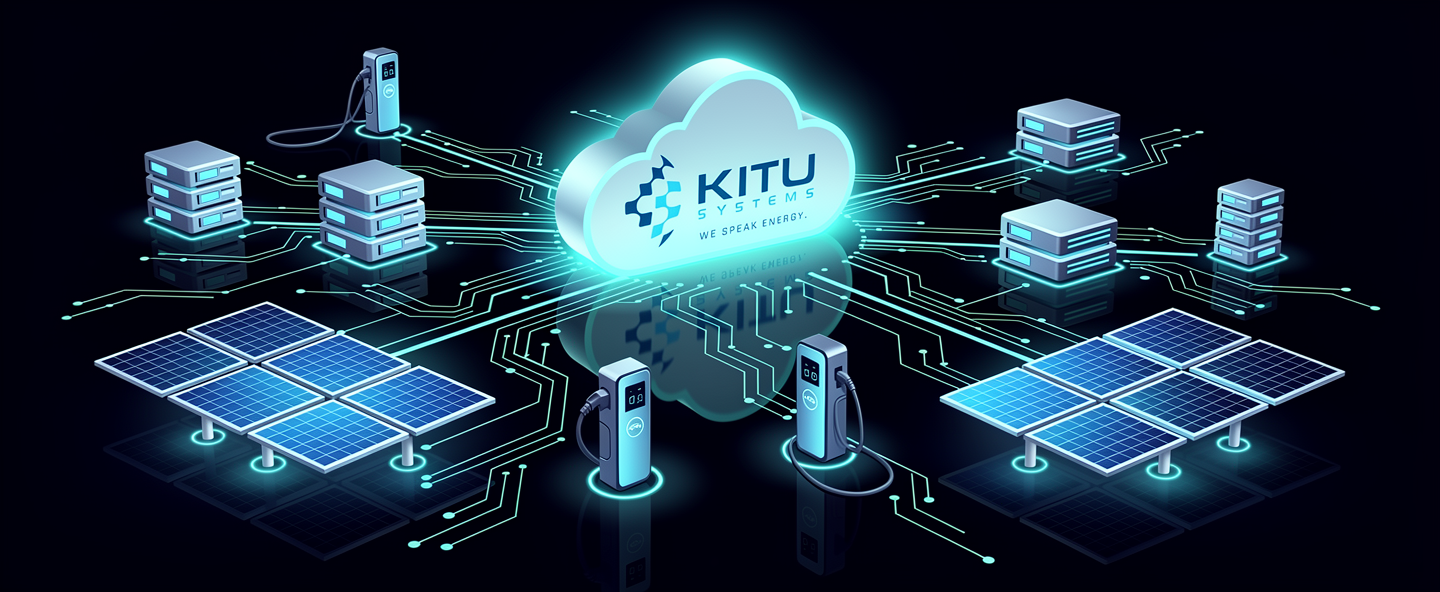
Utilities are being asked to integrate a flood of DERs like solar and EV chargers that rarely speak the same language. Conventional integration falls short, and the pressure to solve it keeps rising. This white paper introduces a more scalable model: Kitu's Intelligent Twin, which turns heterogeneous DER endpoints into unified, grid-ready assets.
What you'll learn:
- Why conventional DER integration breaks down at the scale and diversity modern grids now demand
- How the Intelligent Twin creates interoperability by normalizing mismatched endpoints into a single, operationally useful model
- What's driving the urgency, including the real-world market and regulatory pressures making interoperability a near-term priority
Executive Summary
Utilities are undergoing pressure to integrate distributed energy resources (DERs) at a scale and level of complexity that traditional grid systems are not designed to manage. Solar, battery storage, EV chargers, smart inverters, and other connected assets are becoming more numerous, more diverse, and more critical to grid operations. But while DER adoption has accelerated, interoperability across these assets remains one of the most persistent barriers to utility-scale coordination.
The challenge is not simply connecting more devices. It’s enabling utilities to monitor, understand, and control a highly heterogeneous fleet of resources that often come from different manufacturers, use different protocols, expose different telemetry, and behave differently under grid commands. Without a scalable interoperability framework, utilities are left managing a patchwork of custom integrations that are costly to maintain and difficult to expand.